

In 2007, the U.S. FDA approved a red light therapy (RLT) device with a wavelength of 660 nm for the treatment of AGA, and subsequently approved RLT devices with a wavelength of 678nm and 660nm for the treatment of androgenetic alopecia. , The red light in this wavelength range can penetrate the epidermis, exert a "photobiological regulation", and then improve the environment around the hair follicle, but its mechanism of action is not completely clear.
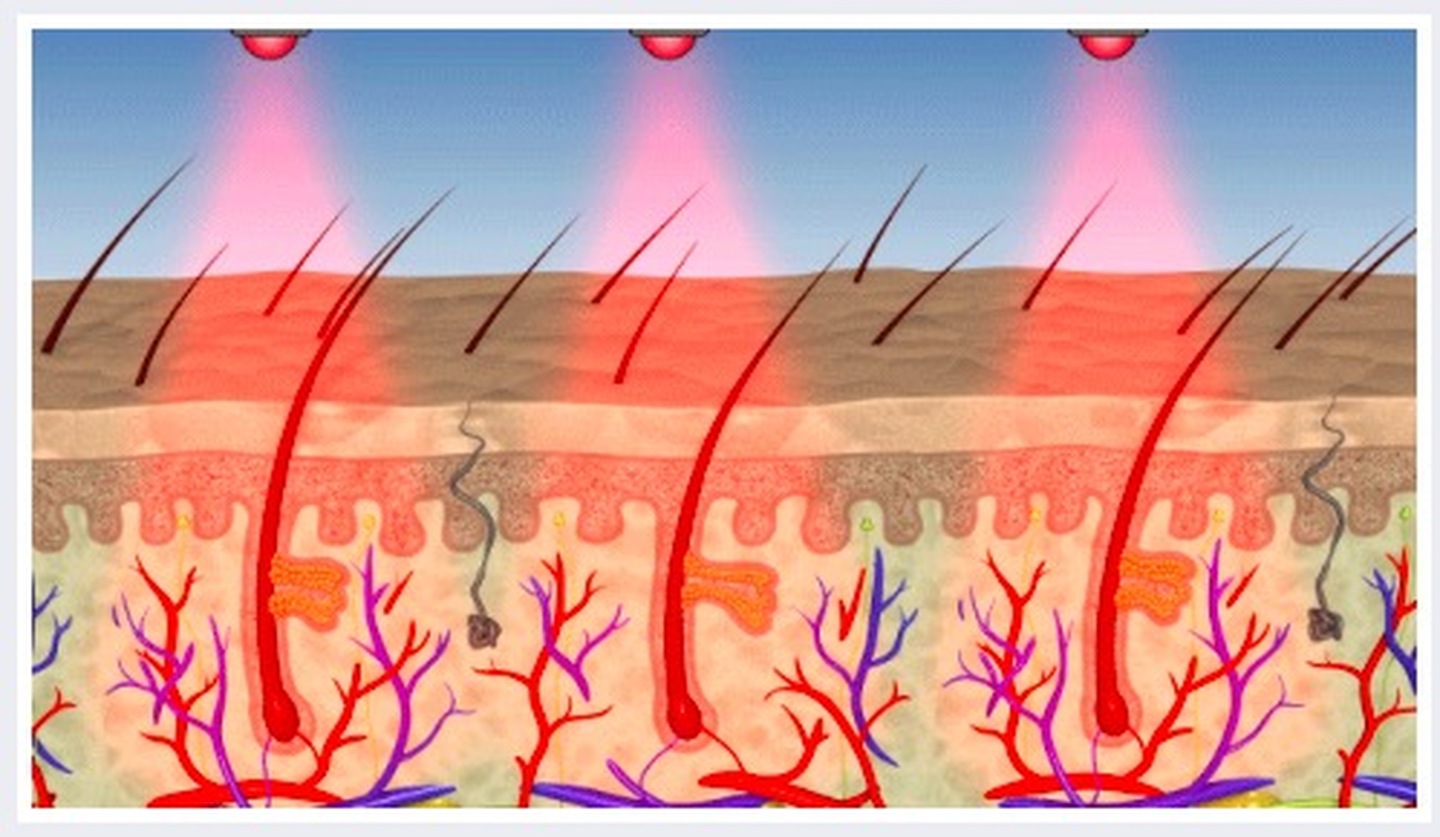
Current research by some scholars suggests that RLT has a wide range of biological effects and is used to treat a variety of diseases, including promoting hair growth, wound healing and nerve regeneration. The mechanism by which RLT promotes hair growth may be related to improving microcirculation, reducing inflammation, increasing intracellular adenosine triphosphate (ATP), inducing the production of cytokines and growth factors, and directly stimulating keratinocyte stem cells or dermal papilla cells, which ultimately activates hair follicles in the resting phase Re-enter the growth period, prolong the growth period, accelerate the rate of hair growth and prevent the growth period from entering the resting period.
The usage is generally to irradiate once every other day, irradiate for 15-30 minutes a day, and use it continuously for more than 3 months before a certain effect can be seen. It can be used as an auxiliary method for the treatment of androgenetic alopecia. RLT treatment has fewer adverse reactions, and individual patients may experience dizziness and scalp itching during irradiation.
At present, some products have passed the US FDA certification, and the safety is still very high. If it is recommended to choose, try to choose products that have passed the above two certifications. However, it is not recommended to use RLT as the main treatment method. At present, RLT is still used as an auxiliary treatment method, combined with treatment methods such as minoxidil, finasteride and hair transplantation for comprehensive treatment, which can achieve relatively good therapeutic effects.