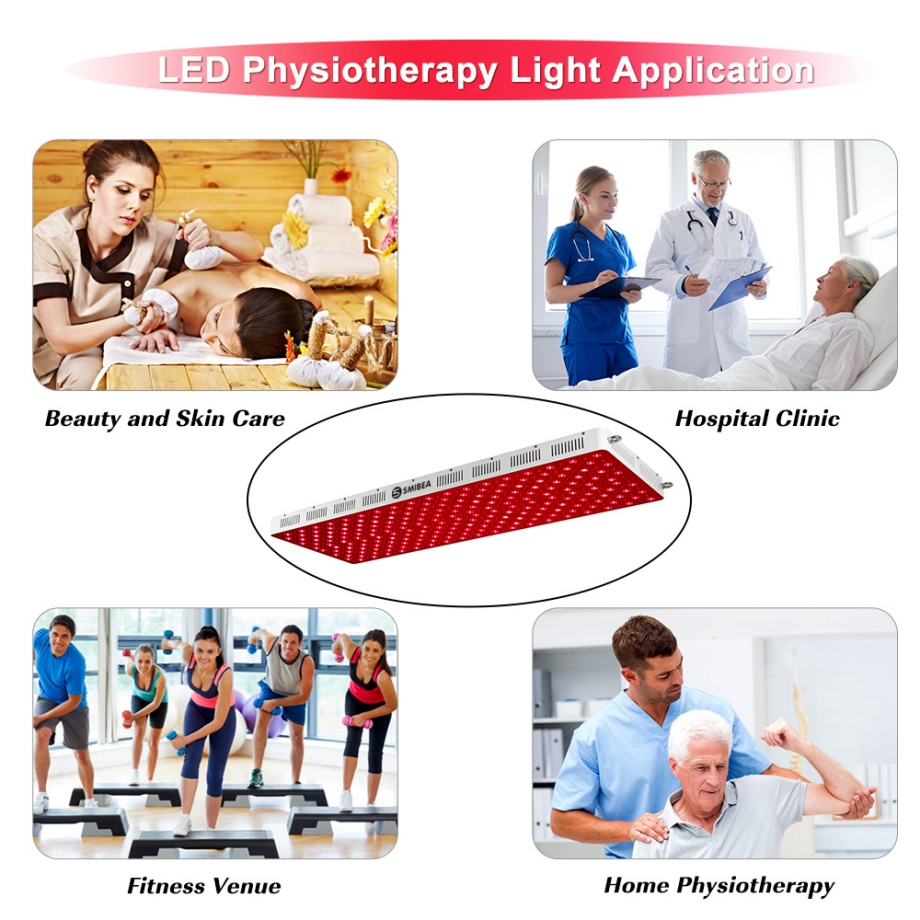
Is "red light therapy" a trap of capital advertising, or is it really scientifically effective?
To unravel the mystery of "red light therapy", it is necessary to clear the role and application of light therapy in clinical medicine.
The origin and development of phototherapy:
Light is inseparable from human existence. In the early days of human society, that is, the age of primitive hunting, humans have realized the importance of sunlight to their own living beings and human activities, and gradually discovered the role of sunlight in helping patients recover their health. Dating back to 5,000 years ago, ancient Egypt, India, and China have begun to use sunlight to treat or assist in the treatment of some diseases. At that time, sunlight was mainly used to achieve sterilization and health care.
In 1672, scientist Newton discovered visible light, and then ultraviolet light was discovered in the 18th century. Mankind`s pursuit and yearning for light promotes the discovery, development and application of various new light sources. All light-related treatment methods are called phototherapy. In 1883, the "father of light therapy" Niels Finsen became the first person in the world to design a carbon solitary lamp that emits a continuous spectrum like the sun's rays. This light was used to treat smallpox patients and obtain success.
Since then, more and more scientists, doctors, and scholars in the world have devoted themselves to in-depth research on phototherapy, actively exploring the role of different light sources.
Up to now, human beings have been able to scientifically apply light therapy to disease treatment and daily health maintenance. Light therapy is actually quite common in our lives.
Three common types of phototherapy in clinical medicine:
Phototherapy is the fourth therapy after surgery, chemotherapy, and radiotherapy. It has shown great potential for treatment or adjuvant therapy in a variety of benign and malignant diseases. Compared with traditional surgery, phototherapy is a treatment with less trauma, better directional selectivity, and less pain for patients.
There are three common light therapy:
Infrared, ultraviolet and visible light.
➢ Infrared:
Also called heat ray, the wavelength range is 800~5000nm. After being irradiated to the human body, it can feel warm, help blood vessels dilate, promote blood circulation, and enhance the body's resistance.
➢ Ultraviolet:
The wavelength range is 200~400nm, it has the function of activating the whole body, increasing the metabolism, and the function of sterilization and virus.
➢ Visible light:
The wavelength range is 400~800nm. Humans can see red, blue, green and other colors through the retina. Visible light can cause warming under the human skin, stimulate cell regrowth, help relieve pain, inflammation, accelerate wound healing, and improve the human body Of various physiological functions.
In addition, visible light can help cure mental illness, mainly to calm the patient's mood, reduce and prevent depression.
Each kind of light has a different wavelength. Different wavelengths carry different energy and have different effects on the human body. Therefore, it is used to treat different diseases in clinical medicine.
The red light in "red light therapy" is visible light.
Related principles of red light therapy:
The maximum absorption of the red light area is the mitochondria. After the red light is irradiated, the catalase activity of the mitochondria can be increased. This can increase cell metabolism, increase glycogen content, increase protein synthesis and increase the decomposition of adenosine triphosphate, so it can promote cell synthesis, can promote the healing of wounds and ulcers, promote hair growth, promote fracture healing, and accelerate damaged nerves Regeneration also increases the phagocytosis of white blood cells, so it can be used clinically to treat many diseases.
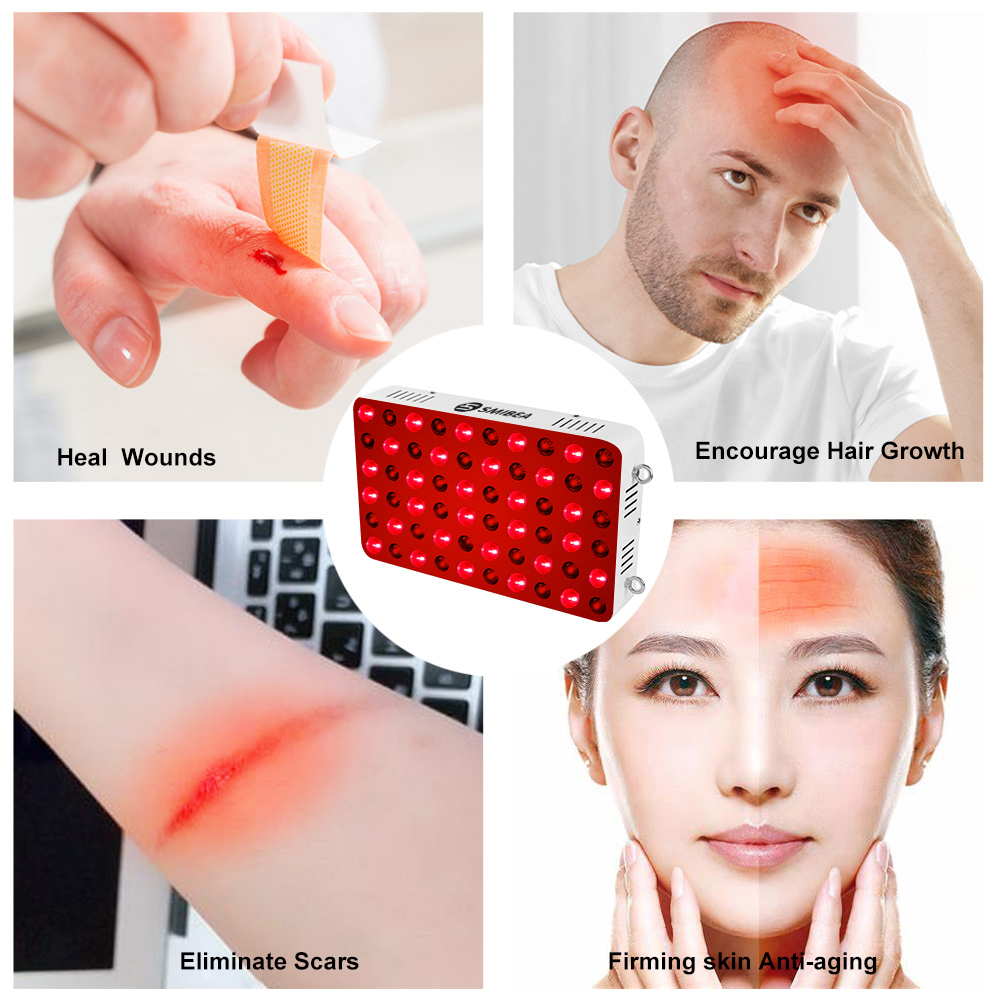
main function:
1. Increased cell energy supply: Experiments have shown that red electromagnetic waves can increase the ATP of Hela cells by 190%;
2. Scavenging free radicals in the body: human aging and functional decline are closely related to free radicals in the body. For example, when diseases such as cerebrovascular and coronary heart disease occur, a large number of free radicals are produced. Medical red light can make superoxide dismutase (SOD) active Significantly enhance, help eliminate free radicals in patients;
3. Promote wound healing: It can promote the proliferation of fibroblasts and endothelial cells, increase cell metabolism, promote cell synthesis, and accelerate wound healing;
4. Improved blood oxygen-carrying capacity: It can improve the binding capacity of blood Hb and O 2 and significantly increase blood oxygen-carrying capacity (increased by 7.6%).
5. Improving human microcirculation disorders: The occurrence and development of most cardiovascular and cerebrovascular diseases are related to hemorheological disorders. Medical red light can increase the deformability and fluidity of red blood cells, improve the aggregation of platelets, and regulate lipoproteins. Spectrum, lower blood lipids, lower blood viscosity, improve blood rheology disorders, thereby improving the human microcirculation system.
Treatment range:
1. Anti-inflammatory and analgesic: The content of serotonin in local tissues increases during inflammation (which can cause pain in the body), and the content decreases after red light irradiation, which has an analgesic effect. It can increase the phagocytosis of white blood cells, improve the body's immune function, and increase the body's defense function.
2. Promote the healing of wounds and ulcers: Red light stimulation can increase the number of fibroblasts and increase the formation of collagen, so it can strengthen the regeneration of cells and promote the growth of granulation tissue. For example, X-ray treatment has good curative effect on refractory ulcers, malnutrition ulcers caused by phlebitis, bedsores caused by long-term bed rest, and poor healing of surgical wounds.
3. Promote hair growth, accelerate callus healing, and regenerate nerve damage;
4. Photosensitive treatment: use red light in conjunction with photosensitive drugs to treat or assist in the treatment of benign/malignant tumors.
Then why not "blue light therapy" or "green light therapy"?
This is related to the depth of light penetration.
The penetration depth of light is related to the nature of the tissue medium. In human tissues, light penetration is most affected by hemoglobin (Hb), oxyhemoglobin (HbO2) and the absorption of light by water molecules. Protein molecules have strong absorption in the ultraviolet region, and hemoglobin and oxyhemoglobin absorb strongly below 600nm, so red light has a significantly greater penetration depth than blue light.
Of course, different wavelengths of light will be selected according to actual conditions and needs in clinical practice. For superficial lesions, blue/green light can be used, and red light is used for deep layers. For example, red light with a wavelength of 633nm is used to irradiate the lesions to treat facial actinology. Keratinosis.
Red light therapy is also a "powerful helper" for doctors in the hospital to treat acne. Propionibacterium acnes (propionibacterium acnes) is the main bacterium that causes acne. It usually resides in the hair follicles and sebaceous glands of the skin. If sebum contains more fatty acids and other ingredients, it can cause acne. Red light therapy has good anti-inflammatory and bactericidal effects, and is very effective for mild to moderate acne. Red light irradiation can atrophy the sebaceous glands, kill Propionibacterium acnes, and provide a selective treatment for improving acne. the way. The disadvantage is that if you have multiple treatments, you need sunscreen after treatment, otherwise the skin tone may darken. . .
At present, as a common treatment or auxiliary treatment method, red light therapy plays an important role in clinical medicine, which can effectively improve patients' symptoms, relieve pain, and improve the quality of life. On the other hand, phototherapy is gradually becoming a new conventional therapy, such as photodynamic therapy for age-related macular degeneration, and a series of progress has also been made in the treatment of rheumatoid arthritis and atherosclerosis.
In addition to treatment, red light is also beneficial in beauty.
The hot health whitening cabins on the market use broad-spectrum red light with a core wave peak of 633nm, which can penetrate human subcutaneous tissues below 10mm to produce photobiostimulation effects.
Red light acts on the dermis, stimulates fibroblasts to secrete more collagen, improves collagen and elastase activity, removes wrinkles and blemishes, locks water and moisturizes, tightens the skin, long-term exposure can make the skin healthy and shiny, and at the same time strengthen the skin resistance.
In addition, red light has a warming effect on the skin and mucous membranes, improves the blood circulation system, promotes metabolism, and rapidly decomposes and metabolizes aging melanin and aging stratum corneum to achieve the effect of whitening and rejuvenating skin.
Without generating high fever and burning the skin, light energy can be easily converted into intracellular energy, which accelerates our cell metabolism and blood circulation, thereby further improving the dull and yellow skin.
Click here to learn more. www.beautyredlight.com